


Most Recommended



Most Featured
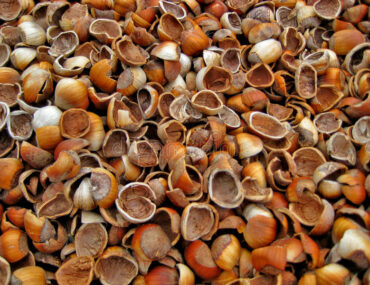
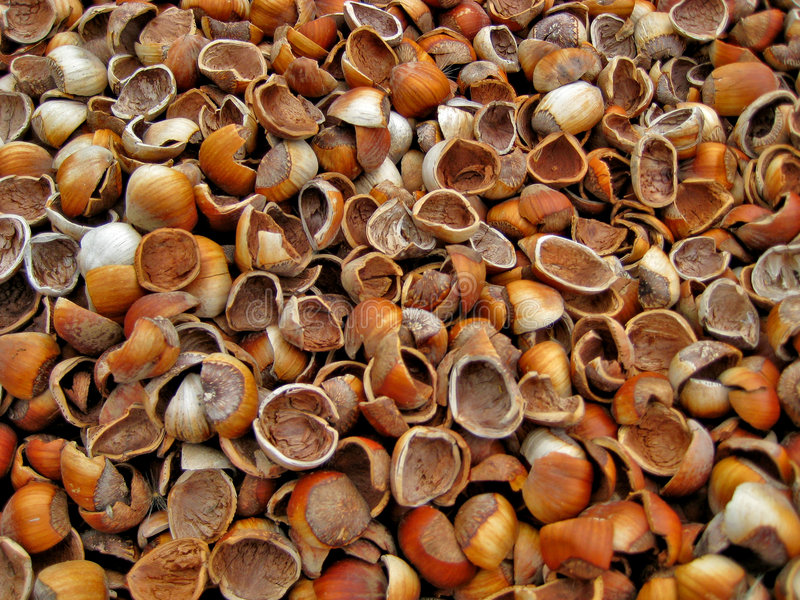
Hazelnuts, also known as filberts, are a staple food in many cultures around the world, but did you know that their shells also have amazing cleaning properties? Hazelnut shells have been used for centuries as a natural abrasive, and they are making a comeback as an eco-friendly alternative to traditional cleaning products.
The Hard and Rough Texture of Hazelnut Shells
Hazelnut shells are incredibly hard and have a rough texture that makes them perfect for scrubbing. They are also naturally biodegradable, so they are not only effective but also environmentally friendly. Many quality house cleaning professionals choose to use products that incorporate hazelnut shells for their ability to clean a wide range of surfaces, including cookware, grout, tile, and even delicate fabrics.



Top Pick's
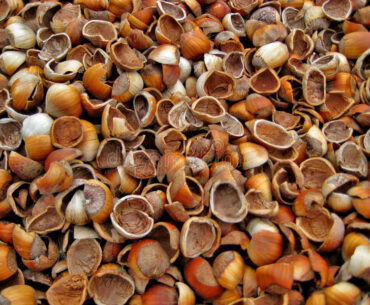
Hazelnuts, also known as filberts, are a staple food in many cultures around the world, but did you know that their shells also have amazing cleaning properties? Hazelnut shells have been used for centuries as a natural abrasive, and they are making a comeback as an eco-friendly alternative to traditional cleaning products.
The Hard and Rough Texture of Hazelnut Shells
Hazelnut shells are incredibly hard and have a rough texture that makes them perfect for scrubbing. They are also naturally biodegradable, so they are not only effective but also environmentally friendly. Many quality house cleaning professionals choose to use products that incorporate hazelnut shells for their ability to clean a wide range of surfaces, including cookware, grout, tile, and even delicate fabrics.
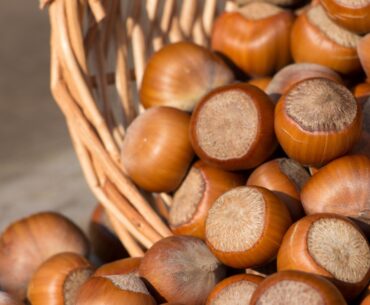
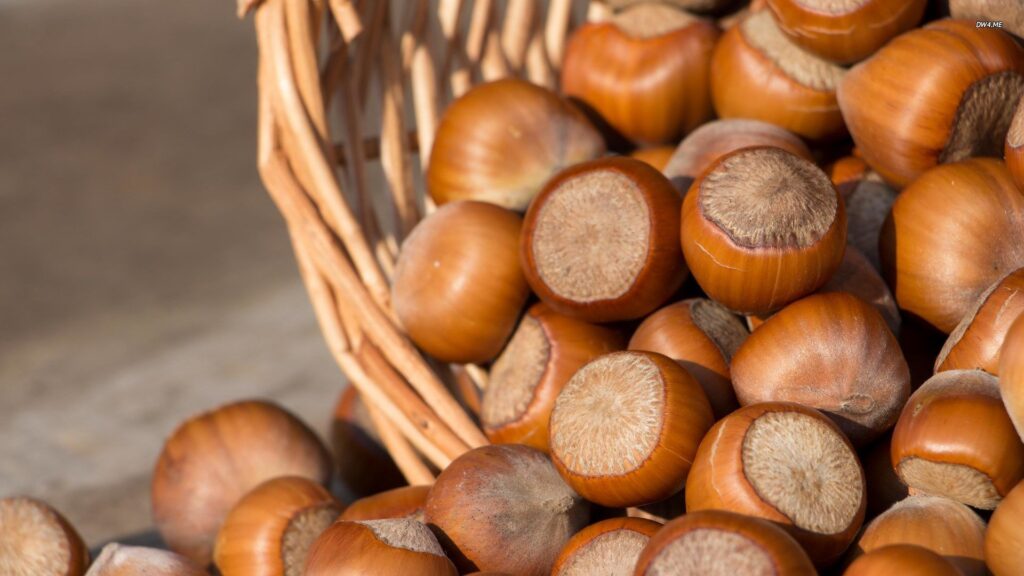
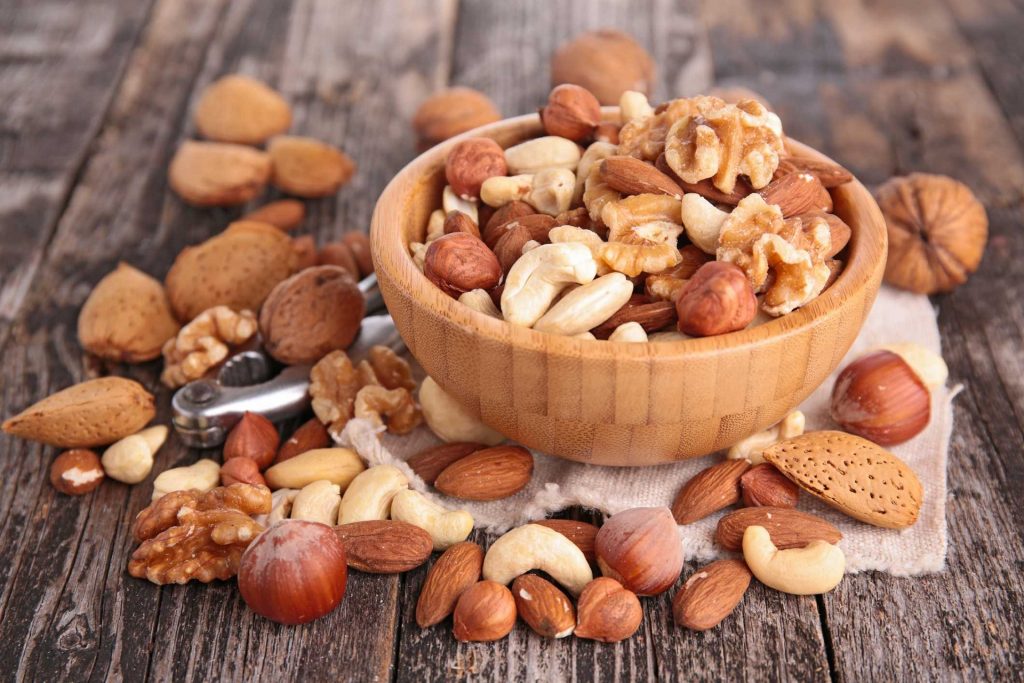
Hazelnuts are exquisite in taste, and better in benefits. They make an excellent choice for snacks, and not just will they satisfy your appetite, but at the same time, offer you some health benefits. If the nuts are added to a balanced diet, there are a lot of health benefits that one can capitalize on. These include Vitamin E, Fats, Protein, and Dietary Fiber. It also includes insulin resistance and reducing the levels of cholesterol.
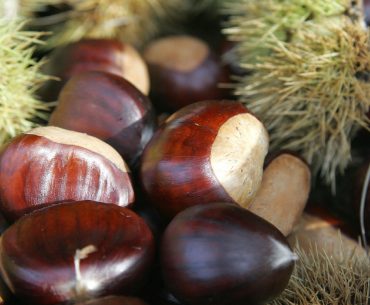
Everybody is well aware of the sweet taste of the hazels. Whether you eat it raw or roasted, it will make your taste buds go nuts. However, we seem to pay little attention to its health benefits as well. There are a lot of researches that substantiate the fact that hazels have a lot of health benefits. This is also the reason that many people add them to their regular diet. Whether that’s heart problems or overweight, the nut can cut on these, and help maintain a healthy lifestyle. And savy business are taking the opportunity to capitalise on such a popular nut.
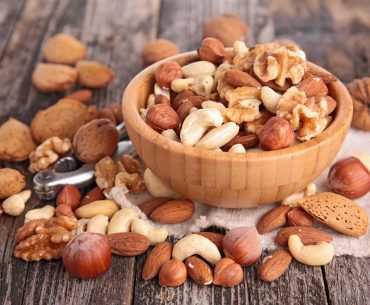
Hazelnuts aren’t just a quick snack, but there are a lot of health benefits of nuts. A regular intake of nuts will improve health in various aspects. However, at the same time, the diet needs to be balanced as well. Apart from that, the hazelnuts have some interesting history, and facts to share.
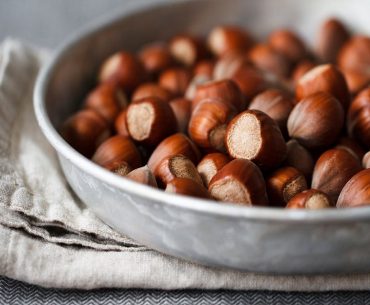
Hazelnuts make an excellent snack. It can be enjoyed raw, or roasted. However, the expert suggestion will be to have it roasted as the process can sweeten it. In addition to that, it has a lot of health benefits, like in matters of insulin as well as other aspects of health. Besides that, it helps you lower cholesterol and other kinds of damage to your health. Though the opinion of eating the hazels varies from person to person, it would be wise to say that it also depends on one taste. So, in this regard, to try the hazels roasted as well as non-roasted will be an exploration of the taste. On top of that, it will offer you a unique taste of everything you get ready to eat.
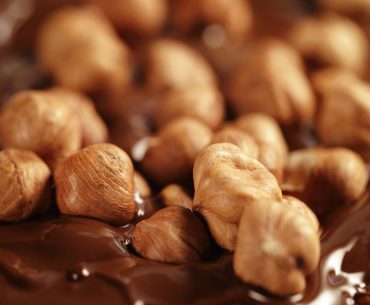
Hazelnuts come from the hazel trees. They’re also called the Cob nuts and happens to be popular for a variety of reasons. One of them being the health benefits that they have. They are eaten raw as well as roasted. However, some of the experts say that roasted hazels can decrease in some properties. That being said, they are beneficial for a lot of things and help maintain a healthy lifestyle. The experts suggest that they should be added to the daily diet to reap the benefits. All things considered, they make the best snacks and have an exquisite taste.
Trending posts




LATEST FROM OUR BLOG
The Surprising Cleaning Properties of Hazelnut Shells
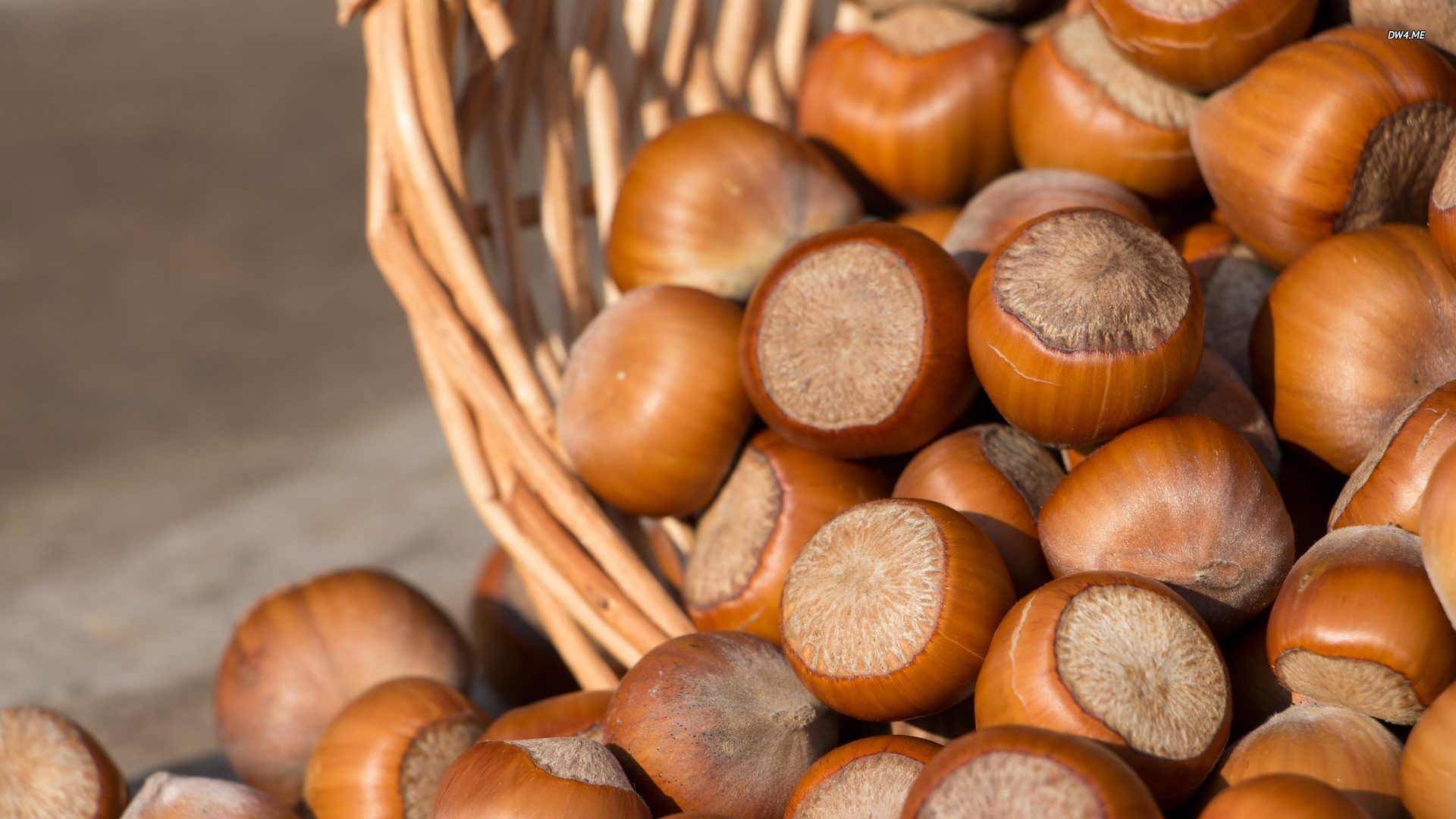
Health Benefits Of Hazel Nuts
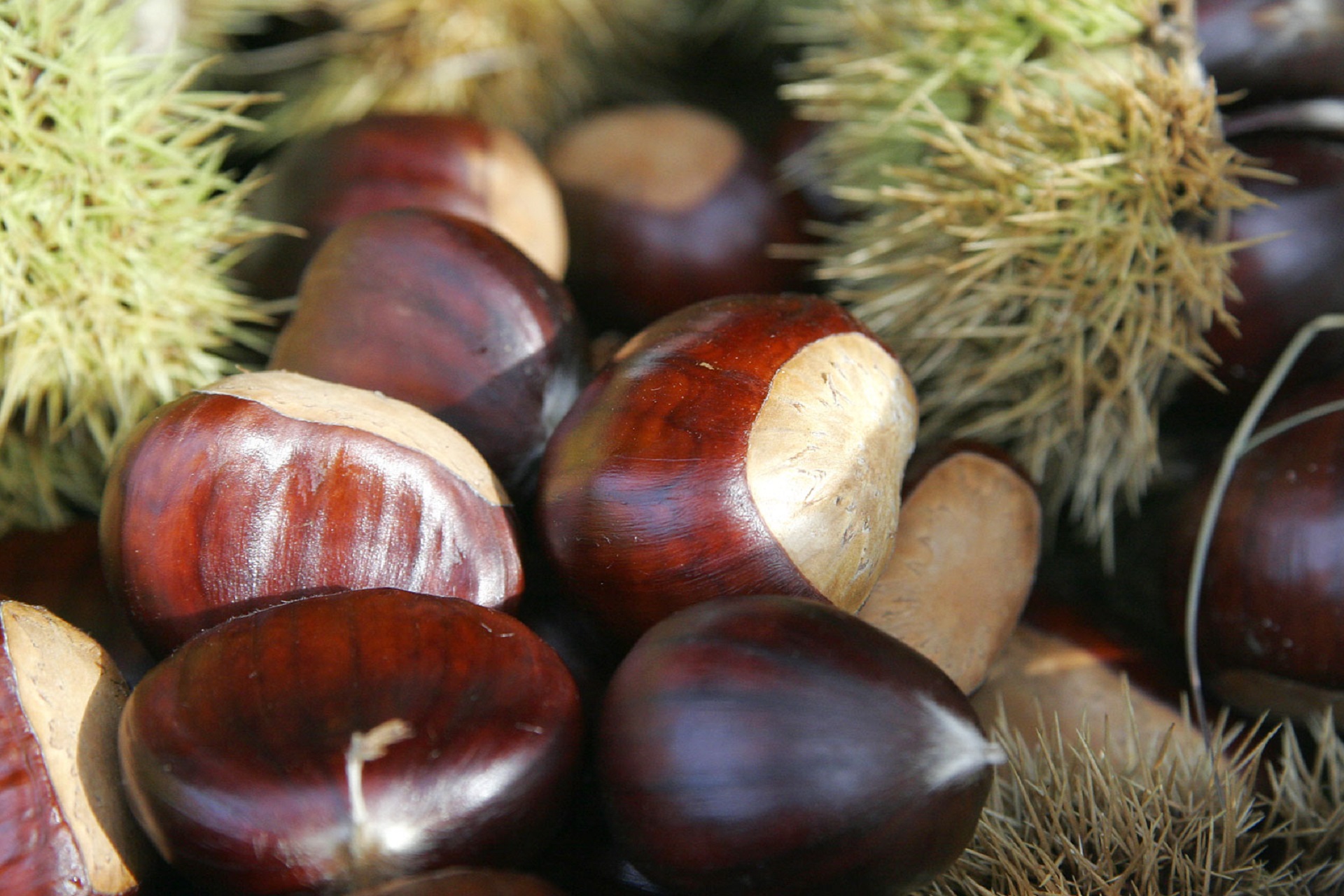
What Are Hazelnuts And Why Are They So Popular
Top Facts To Know About Hazel Nuts
How To Eat Hazelnuts

Hazelnuts; Benefits, Eating, and Storage